
I’ve been researching my family history my whole life. I used microfilms at the library until I was in my twenties, and then ancestry web sites came along and information was way easier to access. Over the years, more information has been added to the online repositories. It started with a few decades of census records, and now city, county, and family histories, military records, vital records, church baptism and marriage records, and much more are all easy to search (for a fee).
I won’t bore you with the full millennium of genealogy I’ve managed to draw up, but when I go back about 250 years, I find several direct ancestors who not only fought in the American Revolution, but who also held titles from their original homes in England. They were among the original settlers who came to the American colonies based on the promises of opportunities and religious freedom, but were already mad they were being over-taxed by a government who used that money for things that didn’t benefit any of the people paying those taxes.
I’m really proud of my heritage. When I go to the symphony or a ball game, I’m the one singing the national anthem the loudest, and when people inevitably turn around to see where the giant voice is coming from, I’m always wiping tears and snot off my face. My love for this land is deep, woven into the very fabric of my identity and the stories of those who came before me.
As I reflect on the lives of those ancestors, I am reminded that patriotism has never been defined by silent, unconditional agreement. Those who founded this nation did so precisely because they believed that their primary duties—to their conscience, their families, and their God—required them to question the earthly powers of their day. For us as Lutherans, this tension is familiar. We are "simultaneously saint and sinner," living in the tension of being citizens of an earthly nation while our true home and highest loyalty belong to the Kingdom of God.
Our faith teaches us that while we honor our country, our primary guide for living must always be God’s radical, inclusive love. This love does not stop at borders and is not defined by legislative agendas. As Bishop Eaton has often reminded us, our civic engagement is not an act of partisanship, but a way to live into our baptismal covenant to serve all people and strive for justice and peace. When we use our voices in the public square, we do so not to serve a political platform, but to answer the biblical call to love our neighbor as ourselves—especially those who are most vulnerable or forgotten by human systems.
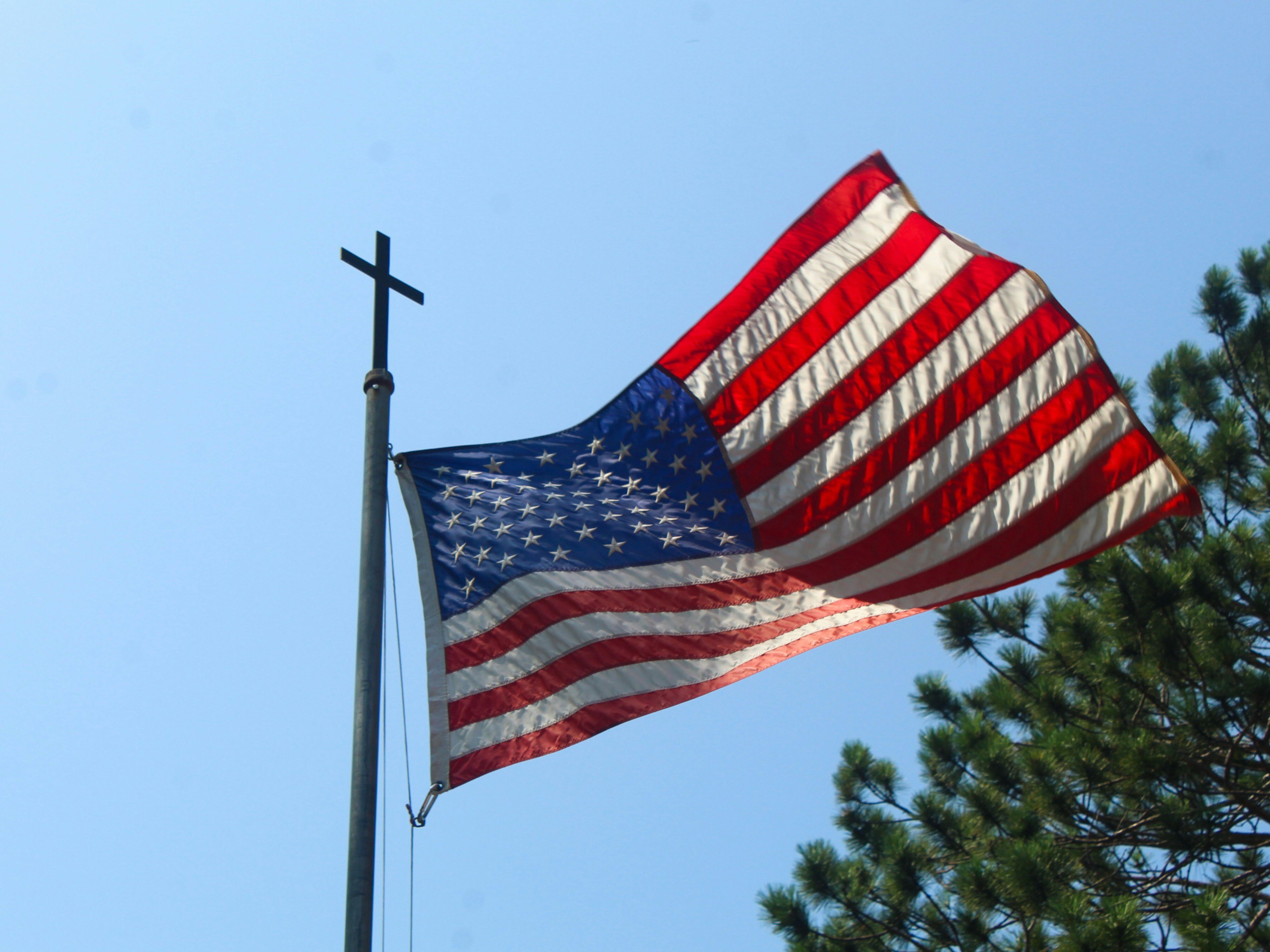
Allegiance to God often calls us to a path of holy discontent. It requires us to look at our world through the lens of the Gospel, asking whether our common life reflects the dignity God has granted to every human being. Loving our country means wanting the very best for all who reside within it, which sometimes means standing in opposition to specific paths taken by those in authority. Our patriotism is not diminished by our critique; rather, it is refined by our faith. We sing the anthem with pride, but we follow Christ with our lives, ensuring that no earthly flag ever eclipses the cross.
How does your faith play into your hopes for our country in the next 250 years?
Yours on the journey,
John Johns, Music Director